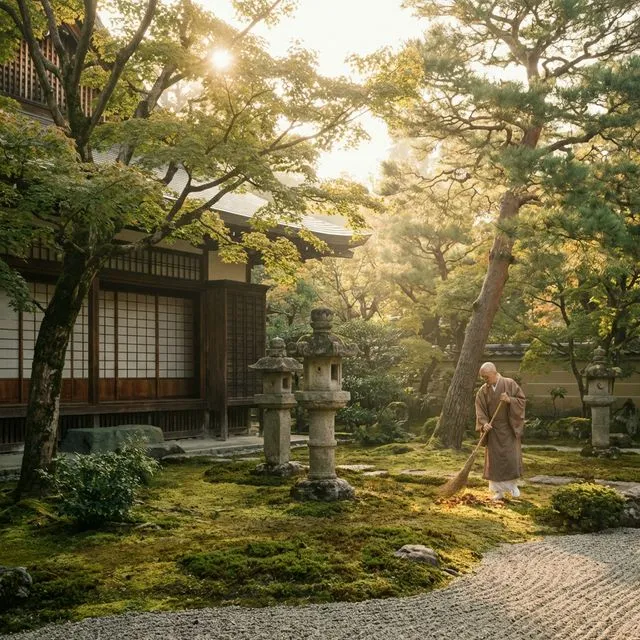
Zen Meditation in Tokyo
Tokyo has several temples and centers where you can experience traditional Zen (zazen) meditation, including some that are beginner‑ and English‑friendly. Whether you seek a quiet morning of meditation in Japan or a deeper meditation retreat Tokyo experience, the city offers something for every practitioner.
Top Zen Meditation Spots
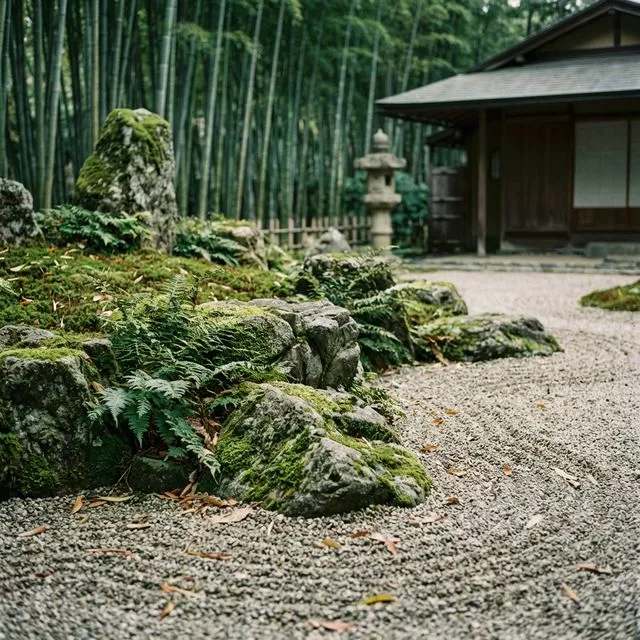
Kōrin‑in Temple
Hiroo, Shibuya
Offers free drop‑in zazen meditation around 7:00 in the morning. Everyone is welcome, making it a perfect casual option for early risers seeking meditation in Japan.
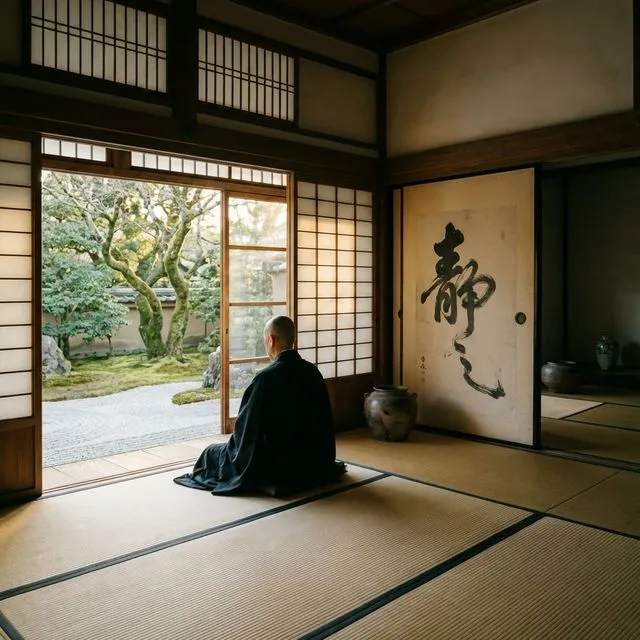
Tokyo Zen Center
Setagaya
A dedicated Zen center connected to the Myōshinji Rinzai sect. Focused on zazen meditation and highly rated for structured training with experienced practitioners.
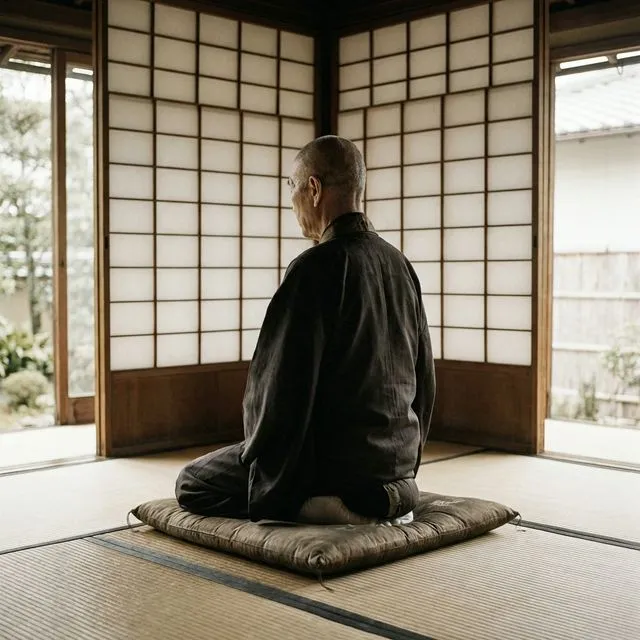
Dhammakaya Temple
Arakawa
A welcoming Buddhist temple where reviewers mention it as an excellent place to learn meditation. Ideal for those new to Buddhist practice and zazen meditation.
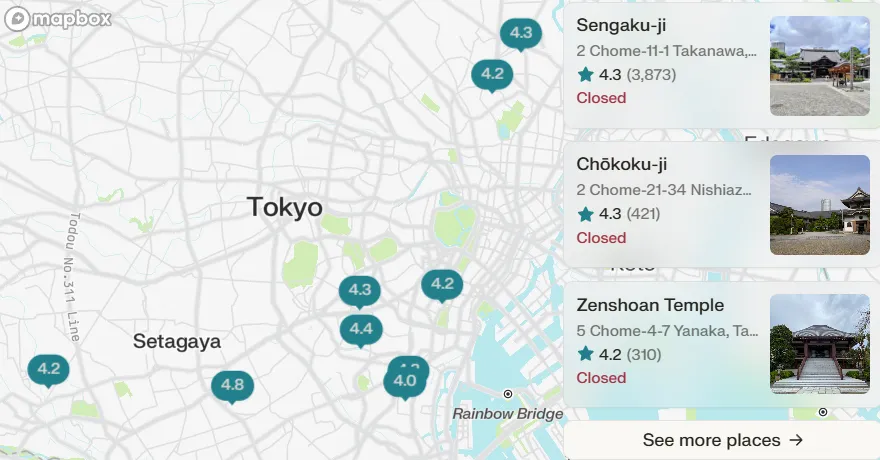
Central Temples with Calm Atmosphere
These places may not market formal zazen classes, but they are quiet Buddhist temples where you can sit and meditate respectfully on your own during a visit to Tokyo.
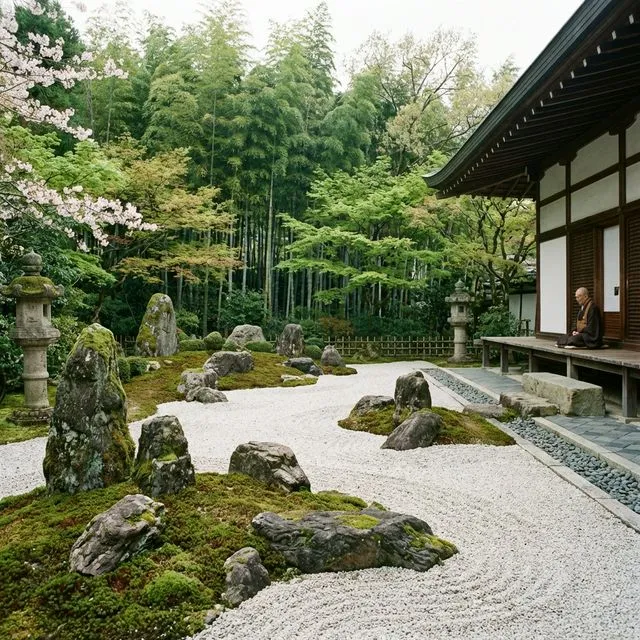
Sengaku‑ji
Takanawa, Minato
Famous for the 47 Rōnin graves. Outside peak tourist times, it is beautifully peaceful for short personal sitting practice and contemplation.
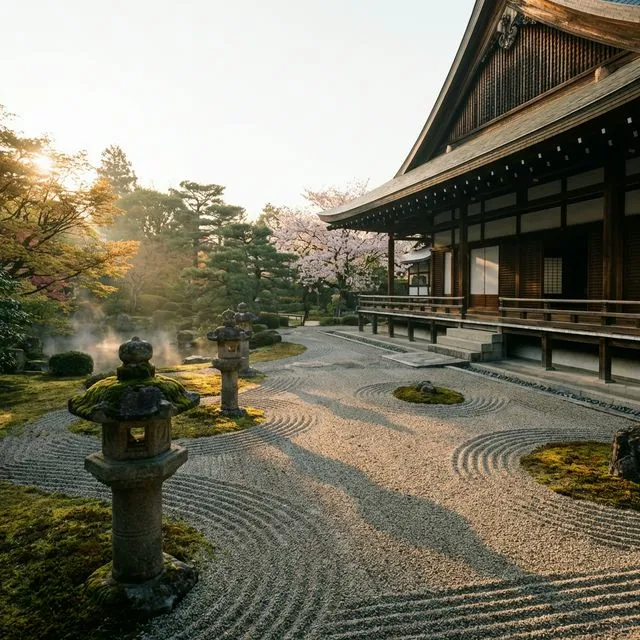
Zenshoan Temple
Yanaka, Taitō
A traditional temple in one of Tokyo's oldest neighborhoods. Combine a walk through Yanaka with a quiet meditation break in this serene setting.
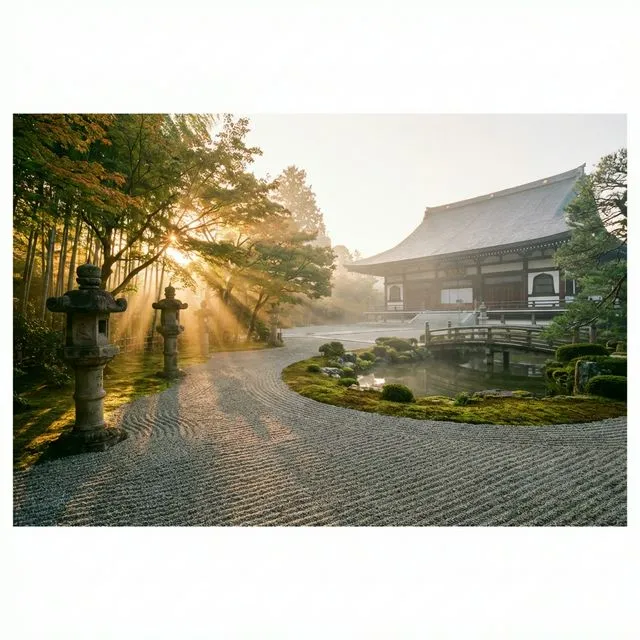
Seishōji Temple
Atago, Minato
Visitors describe this temple as beautiful, silent, and spiritual — perfectly suited for informal meditation in Japan's bustling capital.
English Guided Zazen Sessions
English‑friendly Zen options in Tokyo are limited but deeply rewarding. These sessions are specifically designed for international visitors looking for meditation Tokyo English instruction.
- Tokyo Zen Center (Setagaya): One of the best‑known places in Tokyo dedicated to zazen. Staff can provide English support — email ahead to confirm availability.
- Look for "zazen introduction" or "Zen meditation for beginners" on temple websites — these sessions are most likely to have English guidance.
- Prioritize places labeled "Zen Center" or "international Buddhist center," as standard parish temples usually conduct everything in Japanese only.
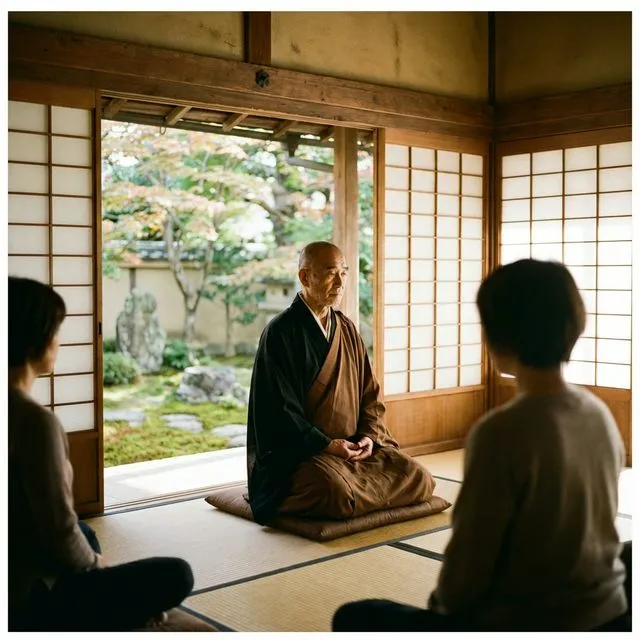
Practical Tips for Visitors
- Check schedules: Meditation times (like Kōrin‑in's morning zazen) can change. Confirm on the temple's site or by phone before you go.
- Language: Larger or international‑leaning places are more likely to have some English support; smaller neighborhood temples may be mostly Japanese‑speaking.
- Etiquette: Dress modestly, arrive 15–20 minutes early, and follow posted rules. At "free drop‑in" sessions, quietly copy what regular participants do in terms of bowing and sitting.
- Bring cash: A small donation is customary. Mention any meditation experience you already have so the instructor can tailor guidance.
Curated Zen Experiences via GetYourGuide
Structured, English‑friendly zazen meditation experiences in and around Tokyo — easy to book, with free cancellation and verified traveler reviews.
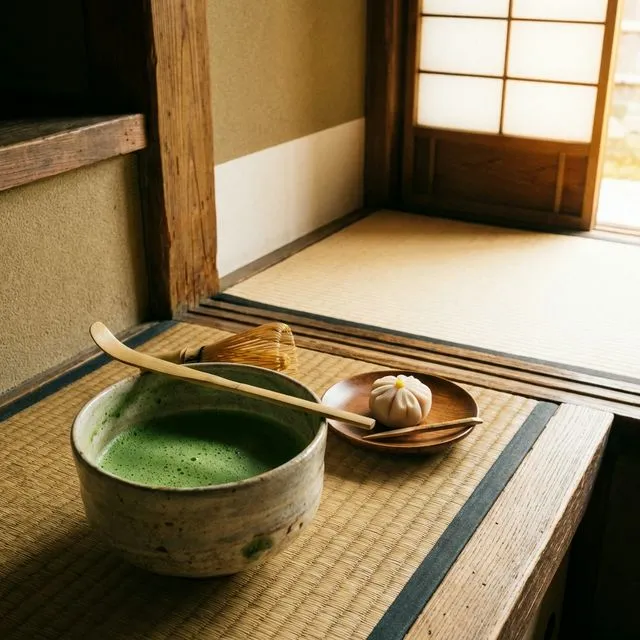
What's Included
- Guided zazen with a monk in a traditional temple or tea house, with direct instruction on posture, breathing, and Zen philosophy.
- Small‑group or private setting in hidden, non-public temples offering a quieter atmosphere than tourist spots.
- Cultural extras: matcha tea ceremony, calligraphy (shodō), sutra copying, or a walk in a Japanese garden.
- Overnight temple stay options near Tokyo for a deeper digital-detox Zen meditation retreat.
Why Choose GetYourGuide
Clear English Support
Listings explicitly confirm English instruction — bilingual monk or professional interpreter included in every session.
Easy Booking & Free Cancellation
Reserve now, pay later. Free cancellation up to 24 hours before — perfect when your Tokyo schedule is flexible.
Curated & Reviewed
Every experience is screened and comes with detailed traveler reviews so you can gauge authenticity and beginner-friendliness.
Access Private Temples
Several activities take place in private or little-known temples normally closed to casual visitors — places you couldn't enter alone.
Take a Moment of Stillness
Click the circle to begin a simple breathing exercise.
After your practice — book a deeper session with a Zen monk.
What Practitioners Say
"Amazing experience!! Really peaceful, informative and fun. Tamami was such a great guide and Namiki-san was absolutely fantastic."
"Wonderful snapshot into private Zen temple practices... monk shared specific insights on meditation. A truly transformative experience."
"Natural, beautiful and intimate... asked questions about the temple, religion, life in Japan... the monk was super‑kind and patient."
"Truly peaceful and meaningful... monk patiently answered all questions with genuine care. Perfect for a first-time meditation experience."
"Felt very authentic... no prior knowledge needed... monk very friendly and answered all questions. A must-do in Tokyo."
Common Questions
Everything you need to know before your visit.
Most guided zazen sessions last 60 to 90 minutes. This typically includes a brief introduction to Zen practice, 40 minutes of seated meditation (zazen), and a closing matcha tea ceremony with conversation.
No prior experience is needed. Most sessions are designed for complete beginners. The monk provides clear guidance on posture, breathing, and basic Zen philosophy before the sitting begins.
Yes. Several experiences include bilingual monks or professional English-speaking guides. GetYourGuide sessions explicitly confirm English instruction. Independent temples like the Tokyo Zen Center also accommodate English speakers — contact ahead to confirm.
Dress modestly and comfortably. Loose-fitting pants are recommended as you will be sitting cross-legged on a cushion (zafu). Avoid short skirts or restrictive clothing. Socks are helpful as shoes are removed.
Yes. Several reviewers report bringing children and finding the experience engaging and memorable. The monks are patient and welcoming, and the atmosphere is never too strict for families.
Still have questions?
Get in touch